Cookie Policy
We use cookies to understand how you use our site and to improve your experience. Read our Privacy Policy to learn more.


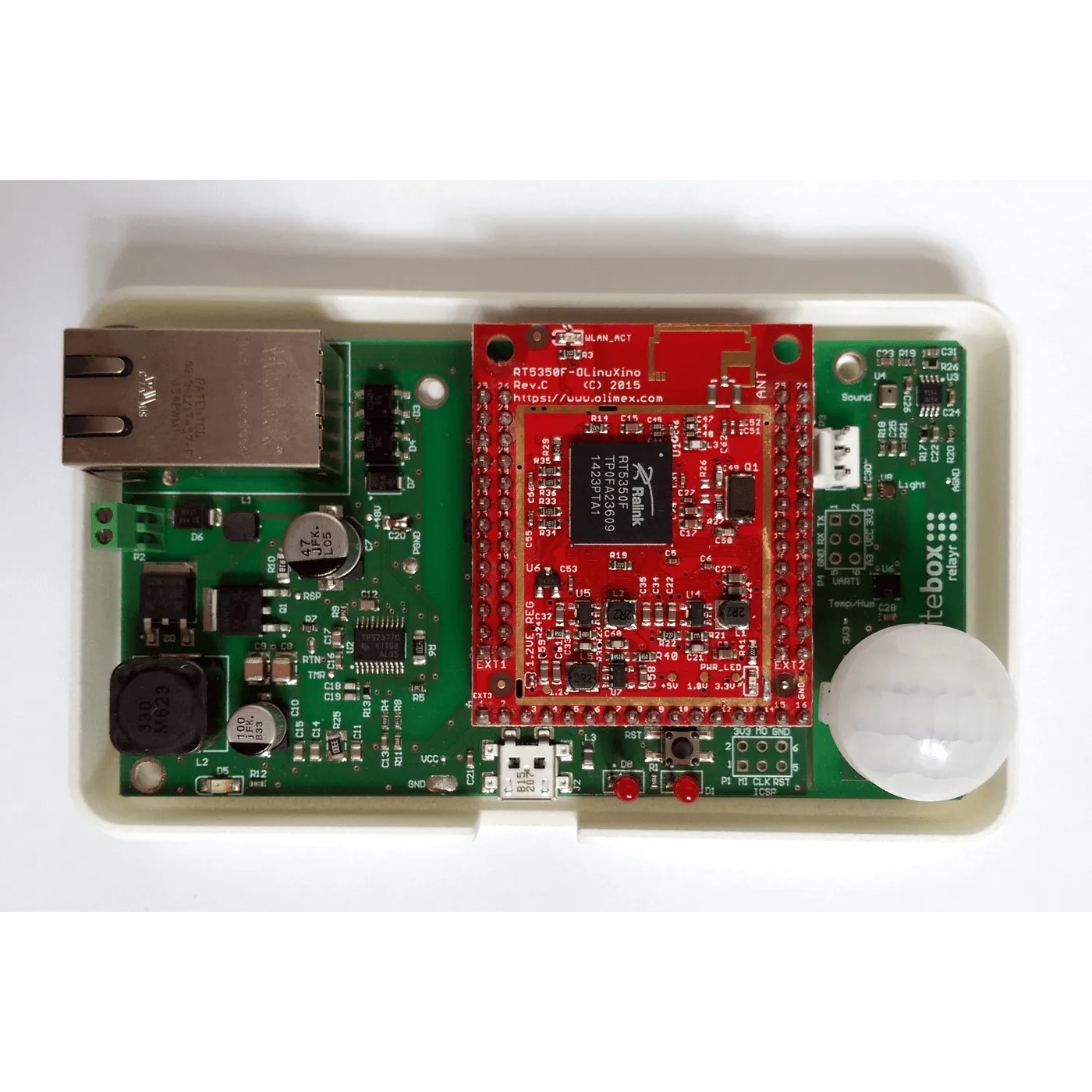
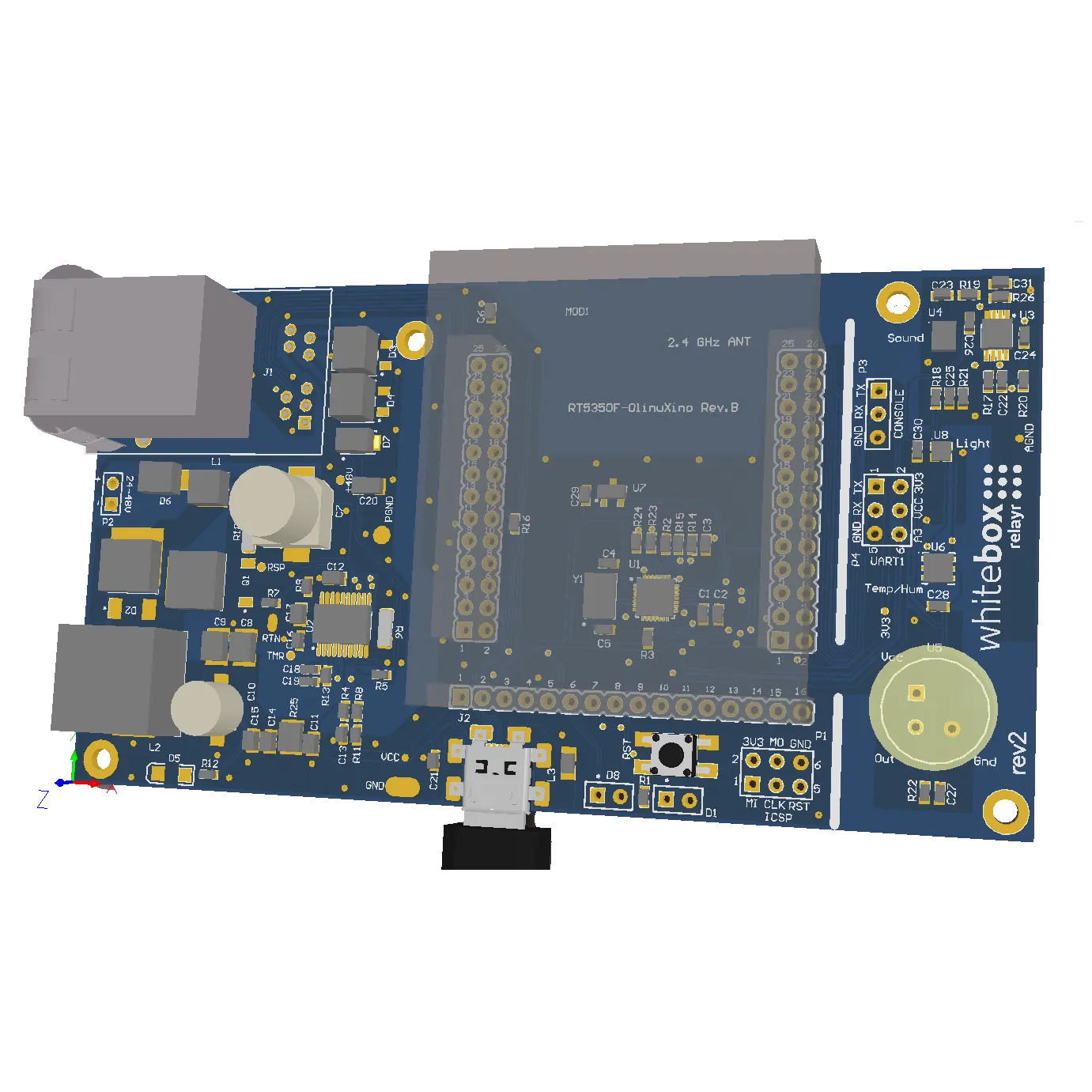
WhiteBox is an industrial-grade PoE (Power-over-Ethernet) IoT sensing platform designed for high-density public and commercial buildings. It serves as the primary data source for intelligent building management, bridging physical occupancy with digital city operations.
Large public buildings—schools, city halls, and office complexes—often consume massive amounts of energy for lighting, heating, and ventilation (HVAC) in rooms that are either empty or under-utilized. Traditional building management systems operate on static schedules rather than real-time demand, leading to significant environmental and financial waste. The primary bottleneck is the lack of high-fidelity, real-time occupancy data.
OhmTech developed WhiteBox to provide the granular telemetry needed for true energy optimization. By aggregating data from a multi-sensor array (PIR motion, acoustic noise, luminosity, and CO2/Env sensors), WhiteBox enables building managers to infer precise occupancy levels.
This processed information is fed directly into Building Management Systems (BMS) and Smart City platforms, allowing for dynamic infrastructure adjustment—saving energy precisely where and when it’s needed most.
WhiteBox focuses on architectural stability and data integrity:
In a landmark collaboration with Cisco Systems and the City of Paris, 180 WhiteBox units were deployed across public infrastructure, including high schools and municipal buildings. This Smart City program utilized the data to drastically improve building energy efficiency, setting a new standard for sustainable urban management.